

Ceiling Mold Removal in San Ramon, CA
San Ramon's inland valley climate brings morning fog and seasonal moisture that can linger in attics and other enclosed upper spaces, creating conditions where mold takes hold. Ceiling mold removal addresses this problem directly, stopping moisture-driven growth before it spreads to structural materials and affects indoor air quality. Fields Mold Remediation connects San Ramon property owners with local providers who assess moisture sources and perform thorough removal, giving you confidence in your home's safety and durability.
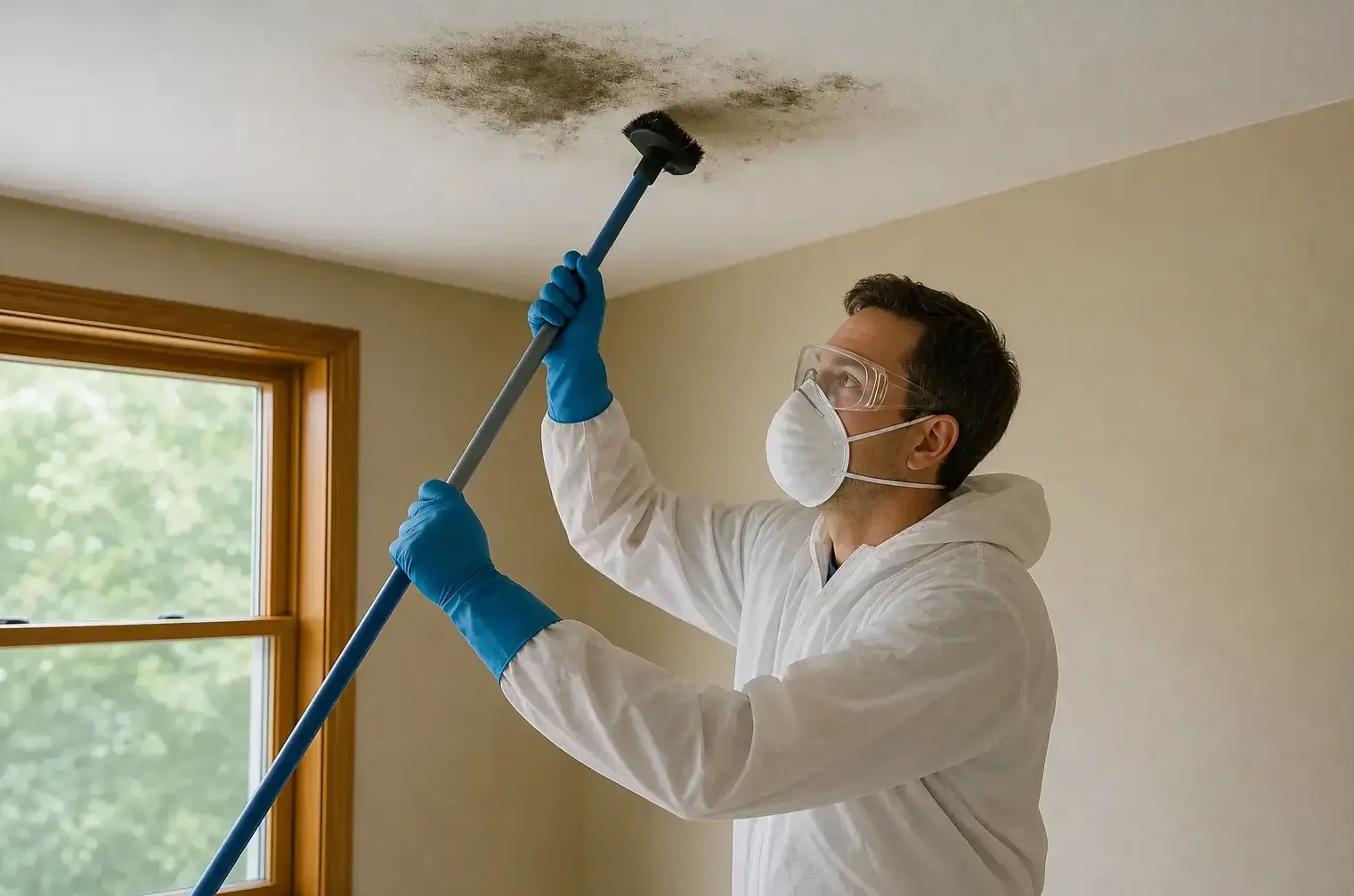
What gets cleaned on a ceiling, and what comes out
Whether a material is cleaned in place or removed is not decided by how bad the mold looks. It is decided by what the material is made of and how large the affected area is. Below is the EPA’s published guidance on both counts, for a ceiling.
| Material | Under 10 sq ftabout a cabinet door, or one ceiling tile | 10 to 100 sq ftroughly one wall, or a small bathroom | Over 100 sq ftmore than one room's worth of surface |
|---|---|---|---|
| Wallboardthe ceiling drywall itselfEPA, Table 2 | HEPA vacuum | HEPA vacuumRemove and discard | HEPA vacuumRemove and discard |
| Wood surfacesjoists and framing in the cavity aboveEPA, Table 2 | Wet vacuumDamp wipeHEPA vacuum | Wet vacuumDamp wipeHEPA vacuum | Wet vacuumDamp wipeHEPA vacuumRemove and discard |
What those methods mean, in EPA's words
- Wet vacuum
Wet vacuums are vacuum cleaners designed to collect water. They can be used to remove water from floors, carpets and hard surfaces where water has accumulated.
EPA, cleanup methods- Damp wipe
Mold can generally be removed from nonporous (hard) surfaces by wiping or scrubbing with water, or water and detergent.
EPA, cleanup methods- HEPA vacuum
HEPA (High-Efficiency Particulate Air) vacuums are recommended for final cleanup of remediation areas after materials have been thoroughly dried and contaminated materials removed.
EPA, cleanup methods- Remove and discard
Building materials and furnishings that are contaminated with mold growth and are not salvageable should be double-bagged using 6-mil polyethylene sheeting.
EPA, cleanup methods
Removed and replaced, whatever the area
- Ceiling tiles — drop-ceiling or acoustic tiles.
Discard and replace.
EPA, Table 1This is the action EPA's water-damage table gives for ceiling tiles. It is the one material here with no size threshold to weigh. - Fiberglass or other insulation — any insulation sitting on top of the ceiling.
Fiber glass, or any other insulation material that is wet or visibly moldy (or if an unacceptable odor is present) should be removed and replaced by a qualified heating and cooling system contractor.
EPA, air duct cleaningEPA states this in its heating-and-cooling guidance and it is quoted here as written. Its water-damage table reaches the same conclusion for both fiberglass and cellulose insulation.
These guidelines are for damage caused by clean water. If you know or suspect that the water source is contaminated with sewage, or chemical or biological pollutants, then Personal Protective Equipment and containment are required by OSHA.
EPA, Table 1Porous materials that are wet and have mold growing on them may have to be discarded.
EPA, cleanup methodsMold can grow on wood, drywall, carpet and furniture if they remain wet for more than 24 hours.
EPA, flood cleanup
Ceiling mold nearly always means water arriving from above — a roof, a supply or waste line, or a bathroom on the floor above. The ceiling is the symptom, so cleaning it without finding the source buys a few months at most. Drop-ceiling tile is the one material here with no decision to make: EPA's water-damage table lists it as discard and replace.
Heavy rain — an inch or more in a day — arrives in San Ramon on about 3.7 days a year.Source: NOAA 1991-2020 Climate Normals, CONCORD WWTP, CA US station (5.6 mi from San Ramon)
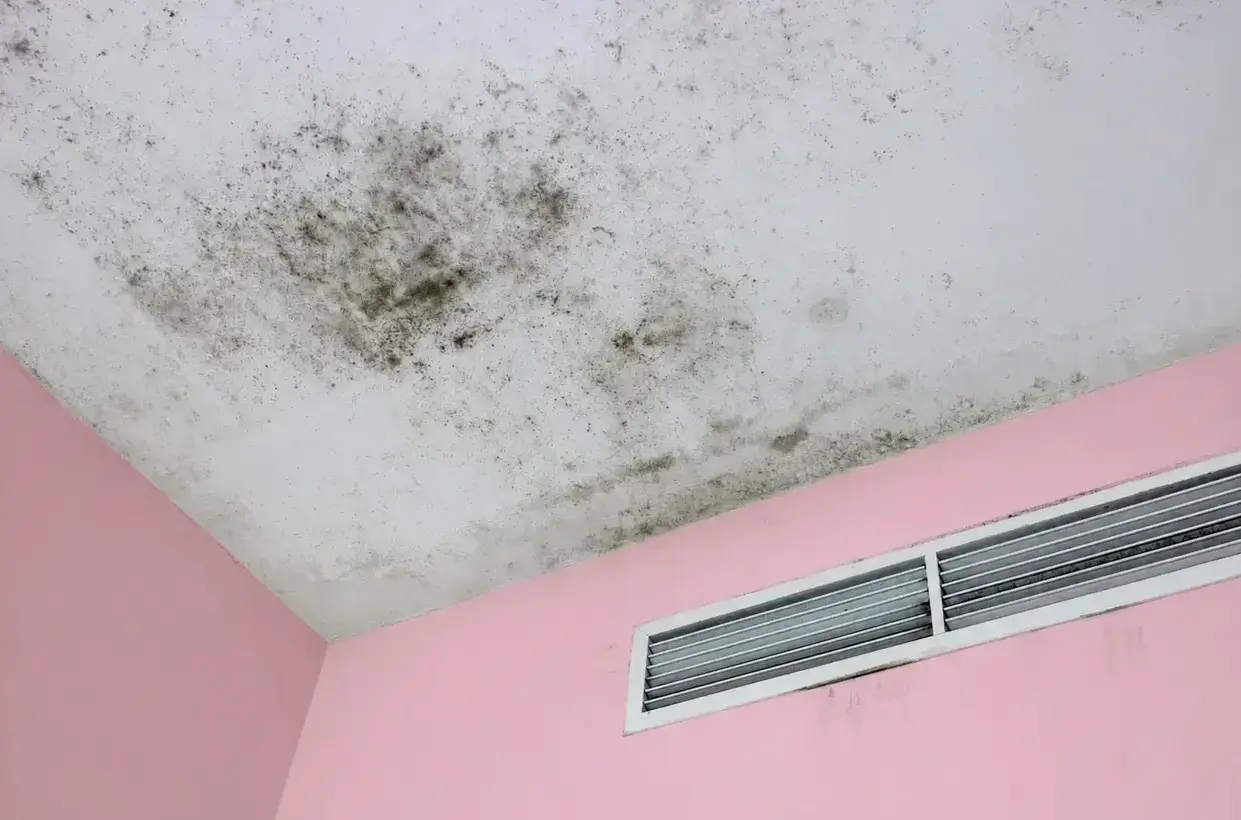
Ceiling Mold Removal in San Ramon: Local Solutions
San Ramon's inland valley setting brings mild winters and dry summers, but morning fog and seasonal humidity can trap moisture in upper-level spaces like attics and enclosed areas above living zones. Older homes throughout San Ramon, including neighborhoods like Dougherty Valley and Crow Canyon, often feature raised foundations with crawl spaces beneath—a common source of upward moisture migration that eventually reaches ceiling cavities and framing. When moisture accumulates in these overhead zones, mold can develop quietly, sometimes going unnoticed until it becomes visible on drywall, insulation, or structural wood. Ceiling mold not only compromises the integrity of your home's upper structure but can also affect indoor air quality and your family's wellbeing.
Fields Mold Remediation connects San Ramon property owners with local providers who specialize in thorough ceiling mold removal. These independent professionals begin with careful inspection to identify the full scope of the problem—not just visible growth, but hidden colonies within cavities and behind fixtures. They contain affected areas to prevent spore spread, remove contaminated materials safely, and address the moisture source that allowed mold to take hold in the first place. Proper remediation includes drying the space and restoring affected surfaces, with attention to ventilation and humidity control to reduce the risk of recurrence. If you've spotted mold on your ceiling or suspect moisture problems overhead, connecting with a local provider through Fields puts you in touch with someone ready to assess and resolve the issue.
Why San Ramon Property Owners Choose Fields Mold Remediation
Fast Local Ceiling Mold Removal
Fields connects you with independent local providers ready to address ceiling mold growth promptly. Quick response helps prevent moisture from spreading deeper into your home's structure and air quality.
Thorough Ceiling Mold Treatment
Ceiling mold removal requires identifying moisture sources and ensuring complete remediation. The independent providers in Fields' network focus on removing affected materials and addressing underlying dampness to reduce recurrence.
Clear Communication Throughout
Understanding ceiling mold removal steps builds confidence. Fields connects you with local providers who explain containment, removal methods, and next steps clearly, so you know what to expect.
Moisture Control for Older Homes
San Ramon's older homes often feature raised foundations where moisture can accumulate in enclosed spaces above, driving ceiling mold growth. Fields connects you with providers who understand these moisture patterns and target removal accordingly.
How The Ceiling Mold Removal Process Works
Schedule Your Ceiling Mold Removal Visit
Contact Fields Mold Remediation to describe ceiling mold you've noticed in your San Ramon home. We connect you with a local independent provider who will schedule a convenient time to inspect the affected ceiling area and identify the moisture source.
Professional Ceiling Mold Assessment
The local provider examines your ceiling mold, determines its extent, and traces where moisture is entering—often from attic condensation or moisture migration in homes with raised foundations common to the area. They explain findings and outline a tailored ceiling mold removal plan for your space.
Complete Ceiling Mold Removal and Verification
The provider removes affected ceiling material, treats the area, and addresses the moisture source to help prevent recurrence. Follow-up checks ensure the ceiling mold removal is complete and your indoor air quality has been restored.
Dealing with Ceiling Mold Removal in San Ramon? Get fast, professional help.
Call Now — (925) 966-3733Ceiling Mold Removal Across San Ramon
San Ramon's inland valley location creates moisture conditions that particularly affect enclosed upper-level spaces. Morning fog and seasonal humidity tend to linger in attics and crawl spaces—areas where air circulation is limited and condensation builds more readily than in living areas below. Older homes throughout neighborhoods like Crow Canyon and Norris Canyon Estates often experience elevated moisture levels in these zones, since attic ventilation and vapor barriers may not meet modern standards. When moisture accumulates without adequate air movement, mold growth on ceiling framing, insulation, and decking becomes a common concern.
Ceiling mold removal in San Ramon requires attention to how these moisture patterns develop and persist. A thorough inspection identifies not just visible growth but the moisture source driving it—whether condensation from temperature swings, insufficient ventilation, or seepage from above. Addressing the root cause, not just the mold itself, helps prevent recurrence. Fields Mold Remediation connects San Ramon property owners with local independent providers who understand how the area's climate and home construction interact to create these conditions, ensuring removal and moisture-control strategies are tailored to your property's specific situation.
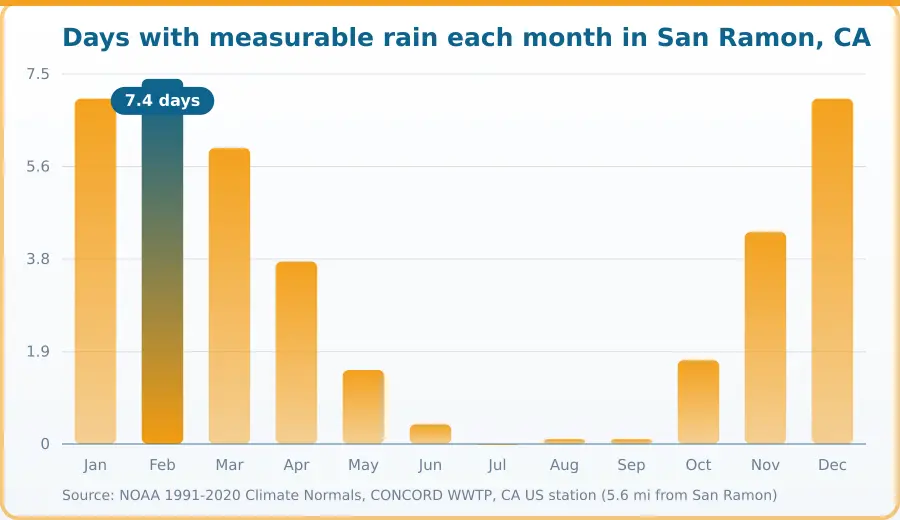
| Period | Days with measurable rain by month (days) |
|---|---|
| Jan | 7 |
| Feb | 7.4 |
| Mar | 6 |
| Apr | 3.7 |
| May | 1.5 |
| Jun | 0.4 |
| Jul | 0 |
| Aug | 0.1 |
| Sep | 0.1 |
| Oct | 1.7 |
| Nov | 4.3 |
| Dec | 7 |
Source: NOAA 1991-2020 Climate Normals, CONCORD WWTP, CA US station (5.6 mi from San Ramon). Retrieved October 27, 2026.
Ceiling Mold Removal Across San Ramon's Seasons
Spring: Moisture Awakening
Spring rainfall and warming temperatures increase indoor humidity as homes transition from heating to cooling. Ceiling mold thrives in this damp environment, particularly in attics and upper spaces where moisture collects. Fields Mold Remediation connects you with local providers who inspect and remove active ceiling mold growth before summer amplifies the problem.
Summer: Heat-Driven Visibility
Hot, dry summers can actually make existing ceiling mold more visible—discoloration and staining become pronounced as surrounding materials dry. However, air-conditioned interiors create condensation zones where ceiling mold persists undetected in cooler upper levels. Local removal specialists accessed through Fields Mold Remediation use summer's clear conditions to locate and address these hidden colonies before fall moisture returns.
Fall: Humidity Settles In
Morning marine-layer fog and seasonal humidity keep moisture levels elevated in enclosed upper spaces, creating ideal conditions for ceiling mold to establish and spread in attics and crawl spaces common in older San Ramon homes. This is peak season for new mold activity in ceilings and overhead structures. Fields Mold Remediation links property owners with nearby providers who can assess and remediate fall ceiling mold growth before winter compounds moisture retention.
Winter: Cold & Condensation
Winter heating cycles create temperature differentials that drive condensation onto cooler ceiling surfaces, especially in poorly insulated or ventilated upper areas. Ceiling mold thrives in these condensation zones during the coldest months. Fields Mold Remediation helps homeowners and business owners in San Ramon connect with local removal providers who can eliminate winter ceiling mold and address the underlying moisture source before spring growth accelerates.
Related Services
Ceiling Mold Removal FAQs — San Ramon, CA
Ceiling mold removal starts with inspection to locate affected areas and identify moisture sources. The process includes containment to prevent spore spread, removal of contaminated materials, treatment of underlying surfaces, and drying to stop regrowth. Local providers connected through Fields assess the extent and recommend the safest approach for your home or business.
Fields Mold Remediation connects you with independent local providers in San Ramon who can typically schedule inspections and removal work promptly. Response times vary by provider availability and project scope. Contact Fields to be matched with a local provider and discuss your timeline and urgency.
Pricing depends on the affected area size, mold extent, material type (drywall, plaster, wood), accessibility, and whether moisture sources require repair. Labor and material costs vary by provider. Fields connects you with independent local providers who can assess your ceiling and provide cost estimates based on your specific situation.
Before removal begins, clear the work area of personal items and ensure safe access to the ceiling. Providers may ask you to vacate during active removal. Discuss containment and safety protocols with your local provider—they'll explain what to expect, where containment barriers will be placed, and any precautions for your household.
Control indoor humidity and ensure proper attic ventilation and drainage. Fix roof leaks promptly and maintain gutters. In San Ramon's inland valley setting, morning moisture can accumulate in enclosed spaces like attics—monitor these areas regularly for signs of dampness. Your local provider can recommend preventive measures after removal.
Seasonal humidity and moisture patterns influence mold activity year-round. San Ramon's climate can trap moisture in enclosed overhead spaces, making regular inspection important. If you notice active growth or water stains on your ceiling, don't delay—contact Fields to connect with a local provider who can assess and address it promptly.
Homeowner Safety Toolkit
Verify Your San Ramon, CA Mold Remediation Company
Before you hire anyone, use these independent national resources to confirm credentials, standards, and track record.
ACAC
An independently accredited certifying body for mold inspectors and consultants — one of the few in this field whose standards are verified by an outside accreditation board, not just self-declared.
Find a Certified InspectorCDC
Covers the health effects of mold exposure and safe cleanup practices, separate from the remediation work itself — useful if anyone in the home has respiratory symptoms.
Mold Health GuideBBB
Look up any mold remediation company's complaint history, customer reviews, and accreditation status — a free, independent check before you hire.
Check StandingDealing with Ceiling Mold Removal in San Ramon, CA? Call (925) 966-3733 for 24/7 help.
Call Now — (925) 966-3733Areas We Serve in San Ramon, California
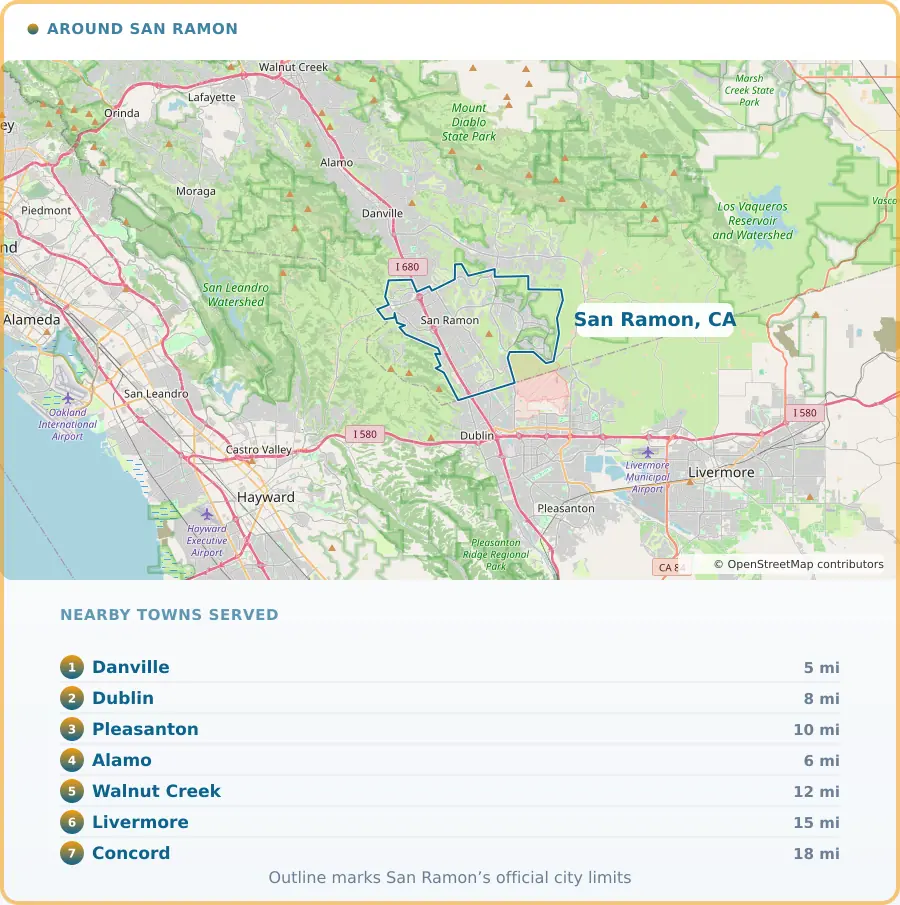
Coverage centres on San Ramon, CA and reaches 7 surrounding communities. Response time is what matters most in the hours after a problem is found, so knowing the ground is part of the job.
San Ramon, CA Information
Tucked into the East Bay between Oakland and the Central Valley, San Ramon, CA has grown into one of the region's most prominent corporate addresses. Chevron's global headquarters anchors a business landscape that also includes major offices for AT&T, GE Digital, and Robert Half International, while the sprawling Bishop Ranch business park fuels a steady pulse of finance and professional services. Healthcare and technology add further depth, and City Center San Ramon keeps the retail scene lively.
Home to roughly 83,000 residents, San Ramon still carries the feel of a close-knit community, from the newer streets of Dougherty Valley to the established neighborhoods near Crow Canyon. It's a city built on ambition and balance — corporate energy by day, easy suburban living by evening.

Photo: FASTILY, CC BY-SA 4.0